How Wall Assembly Choices Can Reduce Noise Between Rooms
Drywall plays a big part in how much sound moves from one room to another. The right drywall installation can lower noise by adding mass, closing gaps, and working with insulation inside the walls. If you want a quieter bedroom, office, or media room, the way drywall is installed matters just as much as the type you choose.
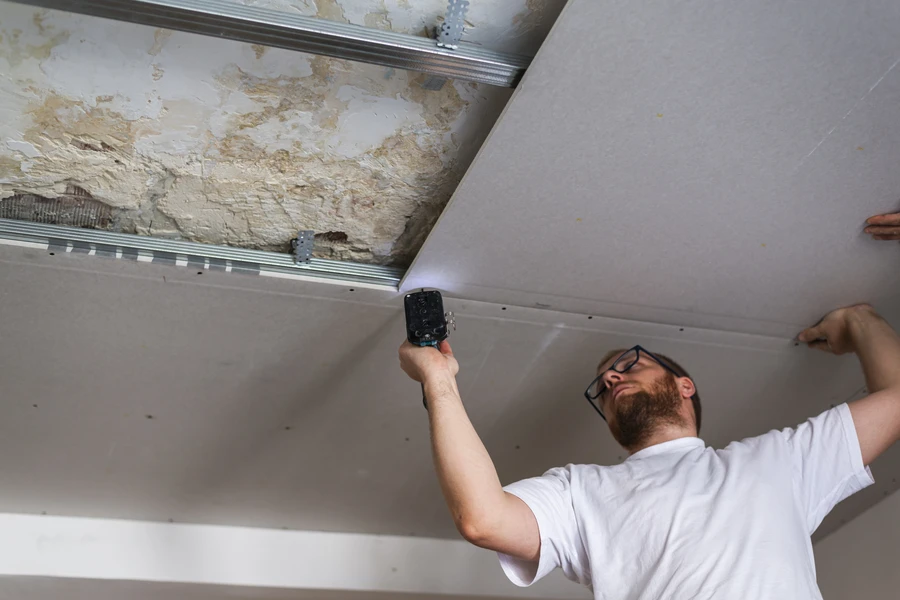
What You Need Before Starting a Soundproofing Project
Before you start, you need a clear goal. Are you blocking loud voices? TV noise? Music with strong bass? Soundproofing works best when you match the wall system to the type of noise.
Here is what you may need:
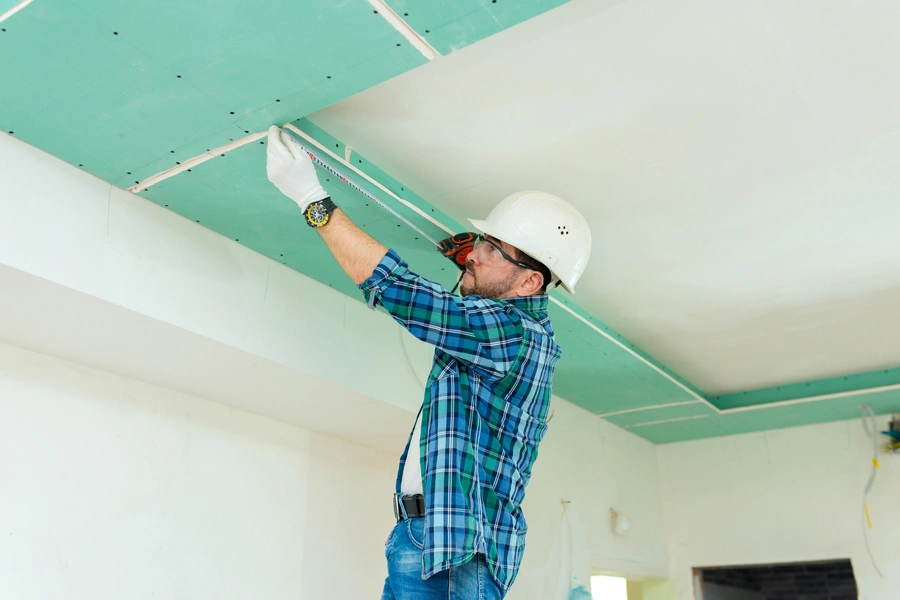
- Standard drywall or sound-rated drywall panels
- Acoustic insulation for wall cavities
- Soundproofing caulk for seams and edges
- Resilient channel or sound isolation clips
- Basic drywall tools for cutting and fastening
It also helps to check your current walls. Thin drywall with no insulation will not block much sound. Gaps around outlets or ceiling lines also let noise pass through.
Step-by-Step: How Drywall Installation Helps Block Sound
Soundproofing with drywall is not just about hanging panels. It is about building layers that slow down sound waves.
- Add insulation inside the wall. Fiberglass or mineral wool helps absorb sound before it moves to the other side.
- Use thicker or double drywall. More mass means less sound passes through. Many people use two layers instead of one.
- Seal every seam. Apply acoustic caulk between sheets and around wall edges. Even small gaps let sound leak out.
- Consider resilient channels. These metal strips create space between drywall and studs. This reduces vibration transfer.
- Stagger seams. When using two layers, do not line up the joints. This improves sound control.
Each step adds another barrier. When combined, they create a strong sound buffer between rooms.
Common Mistakes to Avoid
Many people hang drywall and expect silence right away. That rarely happens without the right details.
-
Skipping insulation inside the wall
-
Leaving gaps around outlets and light switches
-
Using only one thin sheet of drywall
-
Not sealing the top and bottom wall plates
Another mistake is ignoring the ceiling and floor. Sound does not only travel through walls. It can move through joists, vents, and even shared framing.
When to Call a Professional
If you are building a home theater, recording room, or rental unit, it may be smart to call a pro. Advanced projects often use special sound-rated drywall, damping compounds, and framing changes.
A professional drywall installation team knows how to:
-
Choose the right drywall thickness for your space
-
Install sound isolation systems correctly
-
Seal all joints and edges fully
-
Meet local building codes
Poor installation can waste time and money. If panels are not aligned well or sealed tight, the sound will still find a path through.
Why Mass and Sealing Matter so Much
Sound travels through vibration. When someone speaks or plays music, the air moves and hits the wall. Thin walls vibrate easily. Thicker, heavier walls vibrate less.
That is why drywall installation focuses on adding mass and blocking air gaps. A well-built wall does two things:
-
Absorbs sound energy inside the cavity
-
Limits vibration across studs and surfaces
Even small cracks can lower performance. Sound moves like water. If it finds a hole, it flows through.
Best Situations for Soundproof Drywall Systems
Soundproof drywall setups are helpful in many spaces:
-
Home offices where you need quiet for calls
-
Bedrooms near busy streets
-
Shared walls in duplexes or apartments
-
Media rooms with surround sound
In each case, drywall installation works best when planned early. It is easier to build sound control into new walls than to fix noise problems later.
Is One Layer Ever Enough?
For light noise, one layer with insulation may help. But for louder sounds like music or home gyms, a single sheet of drywall is not enough. Doubling layers and sealing seams makes a clear difference.
If budget is tight, you can upgrade key walls only. Focus on shared walls or rooms next to noisy areas. That way, you get better sound control where you need it most.
Final Thoughts and Help for Your Project
If you want quieter rooms in Del Valle, TX, I can help guide you through the right drywall installation setup for your space. At J. Vargas Remodeling and Construction, LLC, I focus on solid wall systems that reduce noise and improve comfort. Call me at (512) 634-6604 to talk about your project and find a solution that fits your needs and budget.